Introduction
The online casino industry has become one of the most rapidly evolving sectors in digital entertainment. Over the last few years, it has shifted from simple web-based gaming platforms into highly advanced ecosystems powered by artificial intelligence, real-time rendering, and immersive user interfaces.
Today’s players expect far more than basic gameplay. They demand interactive environments, smooth performance, personalized experiences, and secure financial systems. This shift has pushed developers to continuously innovate and integrate next-generation technologies.
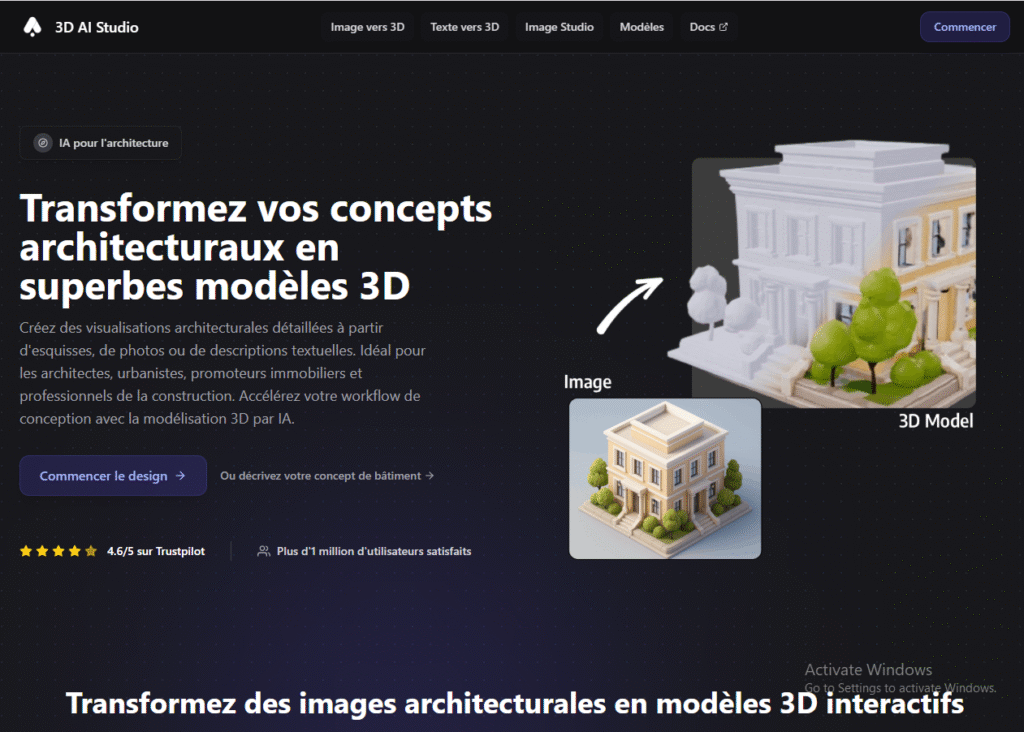
A major breakthrough shaping this transformation is IA architecture 3D, which is redefining how online casino environments are designed and experienced. Platforms usingmodele 3D architecture IA are able to create highly realistic digital spaces that enhance immersion and engagement.
Expansion of the Global Casino Market
The global online casino market has experienced significant growth due to widespread internet access and mobile device adoption. Players from different regions can now access gaming platforms instantly without physical restrictions.
This accessibility has resulted in a more diverse audience, ranging from casual gamers to high-stakes players. The convenience of playing anytime and anywhere continues to drive user engagement and industry expansion.
In addition, the integration of digital payment systems and cryptocurrencies has made transactions faster, more secure, and globally accessible.
Technology Driving Casino Innovation
Technology is the core foundation of modern online casinos. Every element of the user experience is influenced by advanced digital systems.
Artificial Intelligence Systems
Artificial intelligence is used to analyze user behavior, detect fraud, and personalize gameplay. It helps platforms recommend relevant games and improve customer support through automation.
3D Immersive Casino Design
3D visualization enables developers to build realistic casino environments that simulate physical spaces. Players can interact with virtual surroundings and experience more engaging gameplay.
Blockchain and Secure Systems
Blockchain technology ensures transparency by recording transactions on decentralized networks. This enhances trust and reduces the risk of manipulation in gaming systems.
Popular Casino Game Types
Online casinos offer a wide variety of games to meet different player preferences and skill levels.
Slot Machines
Slots remain the most popular category due to their simplicity, visual appeal, and bonus features. Modern versions include interactive themes and jackpot systems.
Table-Based Strategy Games
Games like blackjack, poker, and roulette require skill, logic, and probability analysis, attracting more strategic players.
Live Casino Gaming
Live dealer games provide real-time interaction with professional dealers through video streaming, offering an authentic casino experience.
Player Engagement Techniques
Online casinos use several strategies to improve user engagement and retention.
Reward and Loyalty Programs
Players are encouraged to continue playing through bonuses, cashback offers, and loyalty rewards.
Personalized Game Recommendations
AI systems analyze player preferences and suggest tailored game options.
Gamification Features
Leaderboards, challenges, and achievement systems make the experience more competitive and engaging.
Security and Fairness Systems
Security remains a top priority in online casinos. Platforms use encryption technologies to protect sensitive data and financial transactions.
Independent audits ensure fairness by verifying random number generators and game integrity. Licensed casinos must comply with strict regulatory standards.
Mobile Gaming Expansion
Mobile gaming has become a dominant force in the online casino industry. Optimized apps and responsive websites allow users to enjoy seamless gameplay across smartphones and tablets.
This accessibility has significantly increased global participation and engagement in online gambling platforms.
Challenges in the Industry
Despite strong growth, the industry faces several challenges.
Regulatory Differences
Different regions enforce different gambling laws, making international operations complex.
Responsible Gaming Policies
Operators must implement systems to promote safe gaming behavior and prevent addiction.
High Competition
The increasing number of platforms forces casinos to innovate continuously to attract and retain users.
Future of Online Casinos
The future of online casinos is shaped by continuous innovation and evolving user expectations.
- Virtual reality casino environments
- AI-powered adaptive gameplay systems
- Blockchain-based decentralized platforms
- Integration with metaverse ecosystems
These advancements will redefine digital gambling experiences in the coming years.
Conclusion
The online casino industry continues to expand rapidly, driven by technology and user demand for immersive experiences. Modern platforms are becoming more interactive, secure, and personalized than ever before.
The integration of IA architecture 3D is playing a key role in transforming digital casino environments, making them more realistic and engaging. As innovation continues, online casinos will evolve into even more advanced entertainment ecosystems.
About the Author
